Tree Planting Guide: Why Fall Is the Best Time in Arizona
Planting trees in Arizona requires careful consideration of seasonal conditions. Extreme summer heat and intense sun can place significant stress on newly planted trees, making establishment difficult. Choosing the right season allows young trees to develop strong root systems before facing harsh weather.
Fall offers a more forgiving environment for new plantings. Cooler temperatures reduce stress, while soil remains warm enough to encourage root growth. For homeowners planning landscape improvements, understanding the advantages of fall tree planting can make a noticeable difference in long-term tree health.
How Fall Supports Strong Root Development
One of the biggest benefits of fall tree planting is what happens below the surface. During fall, trees focus less on producing leaves and more on establishing roots. This allows them to settle into the soil and access nutrients more efficiently before winter arrives.
Using fall tree planting as part of a landscape plan gives trees several months to build root strength before spring growth begins. By the time warmer weather returns, trees are better prepared to handle increased water demands and rising temperatures common in Arizona and surrounding areas.
Reduced Water Stress and Better Moisture Control
Water management is critical for newly planted trees, especially in desert climates. Fall temperatures reduce evaporation, meaning water stays in the soil longer and reaches roots more effectively. This improves irrigation efficiency and helps prevent both underwatering and overwatering.
With fewer extreme heat days, trees experience less shock during the establishment phase. This creates a more stable growing environment and reduces the likelihood of transplant stress that often occurs with spring or summer planting.
Ideal Conditions for a Variety of Tree Types
Many popular Arizona trees respond well to fall planting. Shade trees, ornamental varieties, and certain fruit trees all benefit from cooler conditions and consistent soil moisture. Fall planting allows these trees to adapt gradually without competing against intense heat.
Proper species selection remains important. Trees suited for desert climates perform best when planted in fall, as they have time to adjust before facing summer extremes. Professionals like Curb Appeal Arizona often help homeowners select trees that align with both property needs and local conditions.
Preparing the Site for Fall Planting
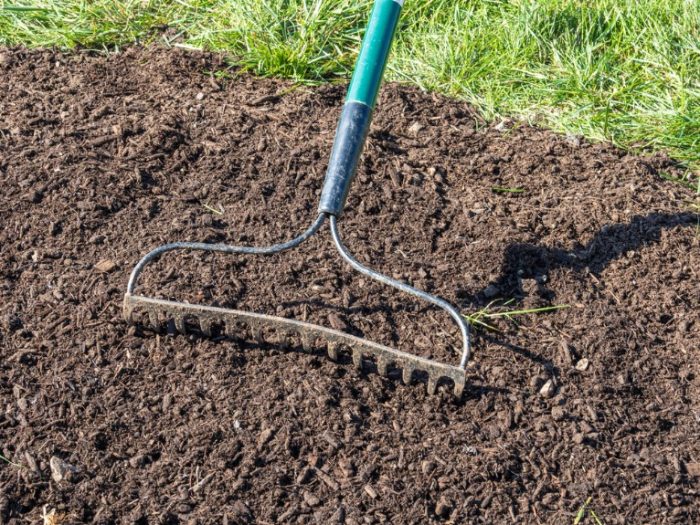
Successful planting starts with proper site preparation. Soil should be loosened to allow roots to spread easily, and planting holes should be sized appropriately for the tree’s root ball. Planting too deep should be avoided, as it can restrict oxygen flow and slow growth.
Mulching around the base helps regulate soil temperature and retain moisture. Leaving space around the trunk prevents rot while still protecting roots. These steps support healthy establishment during the cooler fall months.
Caring for Newly Planted Trees Through Winter
Although winter growth slows, newly planted trees still require attention. Regular but reduced watering helps roots continue developing without oversaturating the soil. Monitoring moisture levels is especially important during dry winter periods.
Light pruning may be done if needed, but major trimming should be avoided until trees are well established. Allowing trees to focus energy on root development supports stronger growth when spring arrives.
Long-Term Benefits of Fall Tree Planting
Trees planted in fall often show better growth and resilience compared to those planted during hotter seasons. They enter spring with a head start, producing healthier foliage and stronger structure. This leads to improved shade coverage and long-term landscape value.
For homeowners throughout Arizona, fall tree planting is a smart investment in landscape longevity. Working with experienced professionals like Curb Appeal Arizona ensures proper planting techniques and tree selection. With the right approach, this process helps create healthier, more resilient landscapes that thrive for years to come.