Fall and Winter Lawn Prep: A Month-by-Month Arizona Yard Checklist
Arizona lawns face significant changes as temperatures cool and daylight hours shorten. While fall and winter are less intense than summer, they are critical seasons for maintaining lawn health and preparing turf for the year ahead. Skipping seasonal adjustments often leads to weak growth, discoloration, and delayed recovery in spring.
A structured approach to fall and winter lawn care helps lawns transition smoothly through cooler months. By breaking tasks down month by month, homeowners can support healthy turf without unnecessary effort. This proactive strategy is especially valuable in Arizona, where climate conditions differ from traditional lawn care regions.
September: Preparing for Seasonal Transition
September marks the shift from extreme summer heat to more moderate conditions. Warm-season grasses like Bermuda are still active, but growth begins to slow. This is the ideal time to gradually lower mowing height and assess overall lawn condition.
Fertilization during September should focus on supporting root strength rather than rapid growth. Light feeding helps lawns store nutrients for dormancy while maintaining color. Early weed control also prevents fall weeds from establishing as temperatures cool.
October: Adjusting Watering and Overseeding
October brings cooler nights and more stable daytime temperatures. Irrigation schedules should be adjusted to reflect reduced evaporation and slower growth. Overwatering during this period can cause disease issues and shallow root development.
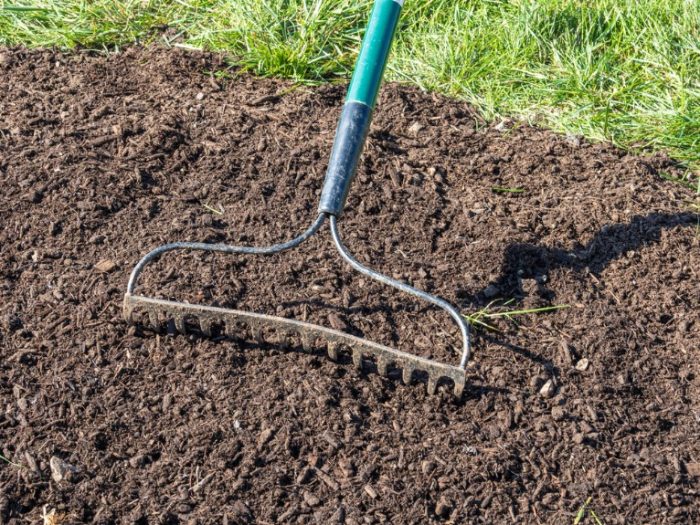
For homeowners who overseed, October is typically the most active month. Cool-season grass is planted to maintain green coverage through winter. Proper watering and seed-to-soil contact are essential components of successful fall and winter lawn care during this stage.
November: Supporting Winter Readiness
As November arrives, lawn growth slows significantly. Mowing frequency decreases, but blades should remain sharp to prevent tearing dormant grass. This month focuses on maintaining consistency rather than encouraging new growth.
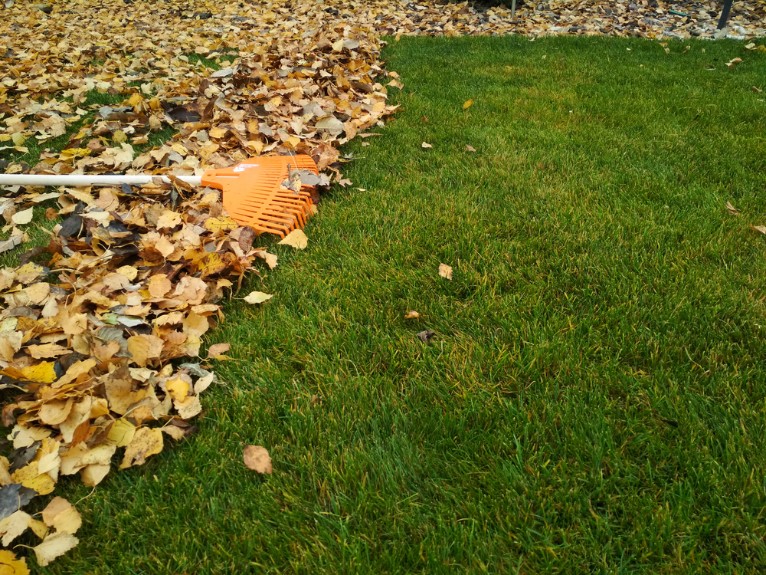
Irrigation should be reduced further to match cooler temperatures and shorter days. Clearing leaves and debris is also important, as buildup can block sunlight and encourage disease during winter months.
December: Monitoring Dormant Lawns
December is a low-activity month for Arizona lawns, but basic maintenance remains important. Lawns may appear dormant or slow-growing, which is normal for the season. Avoid unnecessary foot traffic that can compact soil and damage turf.
Watering should be minimal but consistent enough to prevent dehydration, especially during dry winter periods. Light monitoring helps ensure lawns remain stable until growth resumes.
January: Maintaining Balance During Coolest Months
January often brings the coolest temperatures of the year. Lawns require little intervention beyond debris removal and moisture checks. Overwatering during this time is a common mistake that can lead to root problems.
Staying consistent with minimal care keeps lawns healthy without overstimulation. This period is ideal for planning spring lawn improvements and evaluating long-term needs.
February: Preparing for Spring Recovery
February signals the upcoming transition into spring. Lawns may begin showing subtle signs of renewed activity. This is the time to gradually increase watering and prepare for spring maintenance without rushing growth.
Light fertilization may be considered late in the month, depending on grass type and overall condition. Companies like Curb Appeal Arizona often help homeowners evaluate readiness for spring care based on local conditions.
Building a Healthier Lawn Year-Round
Following a monthly checklist simplifies seasonal lawn management and helps prevent common issues. Fall and winter lawn care in Arizona focuses on preparation, balance, and consistency rather than heavy intervention.
For many homeowners, working with professionals like Curb Appeal Arizona ensures seasonal adjustments are made correctly. With a structured approach to fall and winter lawn care, lawns remain healthier, more resilient, and better prepared for strong spring growth.