5 Common Arizona Lawn Care Mistakes (And How to Fix Them Fast)

Understanding Why Arizona Lawns Struggle
Maintaining a healthy lawn in Arizona presents unique challenges due to intense heat, dry air, and compacted soil. Many homeowners put in consistent effort yet still struggle with thinning grass, discoloration, or persistent weeds. In most cases, the problem is not a lack of care, but habits that unintentionally stress the lawn over time.
Some of the most common lawn care mistakes happen because traditional lawn advice does not always apply to desert climates. Watering schedules, mowing height, and fertilization methods that work elsewhere can damage grass in hotter regions. Understanding why these issues occur is the first step toward making effective changes.
Watering Habits That Weaken Grass Roots
Overwatering is one of the most frequent lawn care errors in hot climates. Daily or shallow watering may seem protective, but it encourages grass to develop weak root systems that rely on surface moisture. This leaves lawns more vulnerable to heat stress and disease.
Deep, infrequent watering helps roots grow downward where soil retains moisture longer. Watering early in the morning also reduces evaporation and allows grass to absorb moisture before temperatures rise. Adjusting irrigation schedules seasonally can significantly improve lawn resilience.
Mowing Practices That Damage Lawn Health
Mowing grass too short is another widespread mistake. Cutting blades too low exposes soil directly to the sun, which increases moisture loss and encourages weed growth. Short grass also struggles to recover from heat stress during peak summer months.
Keeping mower blades higher and following the one-third rule helps grass maintain strength. Taller blades provide shade for soil, reduce evaporation, and promote healthier root development. Proper mowing height makes a noticeable difference in lawn appearance and durability.
Soil and Fertilization Mistakes to Avoid
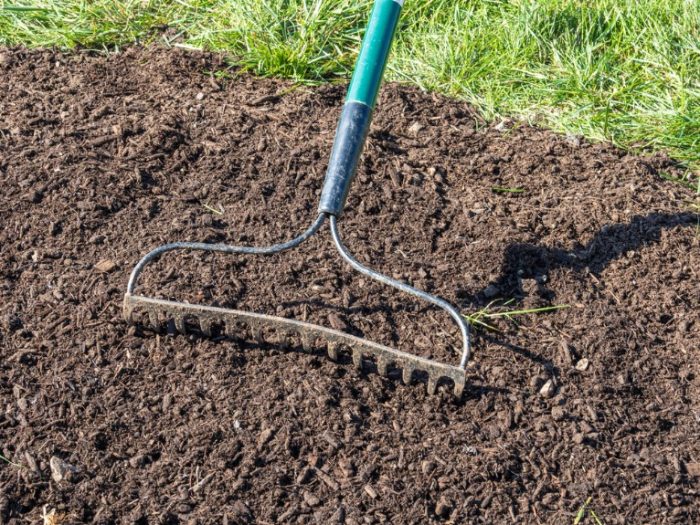
Many lawns suffer because soil health is overlooked. Arizona soil is often compacted and low in organic matter, making it difficult for grass to absorb water and nutrients. Applying fertilizer without addressing soil conditions can lead to uneven growth or burned patches.
Aeration improves airflow and water penetration, while soil conditioning helps nutrients reach roots more effectively. Choosing fertilizers designed for desert climates and applying them at the right times of year supports steady, controlled growth.
Weed Control Errors and Timing Issues
Improper weed control can harm lawns more than it helps. Applying treatments during extreme heat or without proper watering can stress grass while leaving weeds unaffected. Timing and product selection are critical for effective weed management.
Preventative treatments during cooler periods are often more successful than reactive solutions. Companies like Curb Appeal Arizona focus on stopping weeds before they spread, which helps maintain lawn health with less long-term damage.
Correcting Mistakes With Professional Insight
Trying to fix multiple lawn issues at once can lead to compounded stress. Overwatering while overfertilizing, for example, can weaken grass rather than improve it. A structured approach allows homeowners to address problems in the correct order.
Curb Appeal Arizona works with homeowners to create lawn care plans tailored to local conditions. Professional guidance often saves time and reduces unnecessary costs by targeting the underlying causes of lawn issues.
Moving Forward With Healthier Lawn Habits
Improving lawn health does not require constant attention, but it does require informed decisions. Addressing lawn care mistakes early helps prevent long-term damage and supports consistent growth throughout the year.
For homeowners, understanding these common problems makes lawn care more manageable. With help from Curb Appeal Arizona, correcting lawn care mistakes in Tempe AZ and surrounding areas becomes a practical process that leads to stronger, healthier outdoor spaces.