How to Revive Bermuda Grass After a Harsh Arizona Winter

Bermuda grass is well suited for Arizona’s climate, but winter dormancy can leave lawns looking thin, patchy, and discolored once temperatures begin to rise. Cool nights, limited sunlight, and reduced watering during winter often cause grass to slow growth or turn brown. As spring approaches, proper preparation becomes essential to help lawns transition smoothly back into active growth.
Understanding how seasonal conditions affect turf is key to reviving Bermuda grass successfully. Spring lawn care is less about rushing results and more about supporting the grass as it naturally wakes up. With the right approach, Bermuda grass can recover evenly and regain its vibrant green appearance.
Knowing When Bermuda Grass Comes Out of Dormancy
Timing plays a major role in lawn recovery. Bermuda grass typically begins exiting dormancy when soil temperatures consistently reach around 65 degrees. Starting lawn care too early can stress the grass, while waiting too long may delay healthy regrowth.
Homeowners often make the mistake of aggressively watering or fertilizing before the grass is ready. When reviving bermuda grass, it is important to let nature lead the process and support growth gradually as temperatures stabilize.
Cleaning Up Winter Lawn Damage
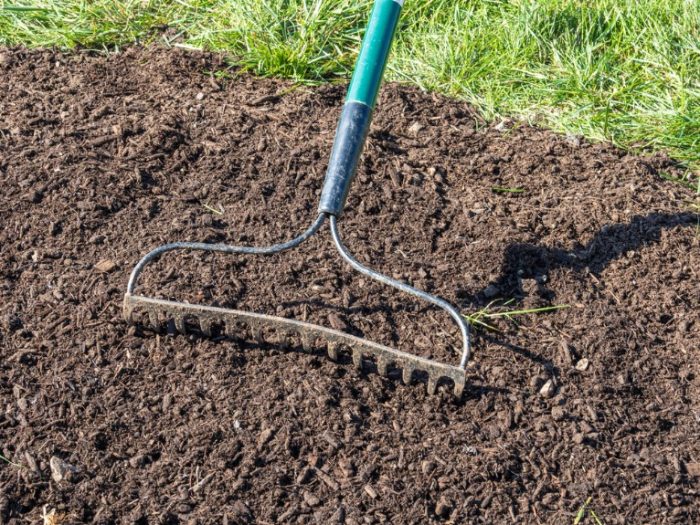
Once the grass shows signs of new growth, removing debris that accumulated over winter should be the first step. Leaves, sticks, and compacted organic matter can block sunlight and restrict airflow. Clearing the lawn allows warmth and moisture to reach the soil more effectively.
Light dethatching may also be helpful if excessive buildup is present. This improves nutrient absorption and encourages new shoots to emerge evenly, creating a stronger foundation for the growing season.
Adjusting Watering for Spring Growth
Proper watering is essential as Bermuda grass transitions into active growth. During early spring, lawns typically need less frequent watering than during peak summer months. Overwatering too soon can lead to shallow root systems and increased disease risk.
Gradually increasing watering frequency as temperatures rise supports deeper root development. Early morning watering remains the most effective schedule, reducing evaporation and allowing moisture to penetrate the soil before heat sets in.
Mowing Practices That Encourage Healthy Regrowth
Mowing height has a significant impact on spring recovery. Cutting Bermuda grass too short early in the season can slow growth and expose the lawn to unnecessary stress. Allowing the grass to reach an appropriate height before the first mow helps protect developing blades.
Using sharp mower blades ensures clean cuts that heal quickly. As growth becomes more consistent, regular mowing helps thicken the lawn and improve overall density without shocking the turf.
Fertilizing at the Right Time
Fertilization should begin only after Bermuda grass has fully exited dormancy. Applying fertilizer too early forces growth before the lawn is ready, which can weaken roots and reduce resilience.
Balanced fertilizers designed for warm-season grasses work best during spring. Companies like Curb Appeal Arizona often recommend soil-specific treatments to promote steady growth and long-term lawn health rather than rapid, uneven greening.
Managing Weeds During Lawn Recovery
Weeds commonly emerge as Bermuda grass begins to grow. Addressing weeds early helps prevent competition for nutrients and water, but harsh chemical treatments should be avoided until the lawn is strong enough to tolerate them.
Spot treatments and preventative applications are often more effective than aggressive weed control. A healthy, dense lawn naturally limits weed growth as the season progresses.
Supporting Long-Term Lawn Health
Spring recovery sets the stage for summer performance. Addressing soil compaction through aeration and monitoring soil health helps maintain consistent growth throughout the year. Small adjustments made early often prevent larger issues later.
Curb Appeal Arizona works with homeowners to develop lawn care plans tailored to local conditions. Reviving Bermuda grass in Tempe, AZ becomes much easier with a structured spring care approach. With support from Curb Appeal Arizona, Bermuda grass leads to a healthier, greener lawn that thrives well into the warmer months.